Cryolipolysis
Cryolipolysis is a non-surgical technique that reduces certain localised areas of subcutaneous fat through controlled cooling. The cold gradually destroys part of the fat cells, which the body then naturally eliminates. It can reduce certain fat deposits that resist physical activity and a suitable diet, without an operation or anaesthesia. Dr Manon Belhoste performs cryolipolysis in Marseille, from €250 to €400.
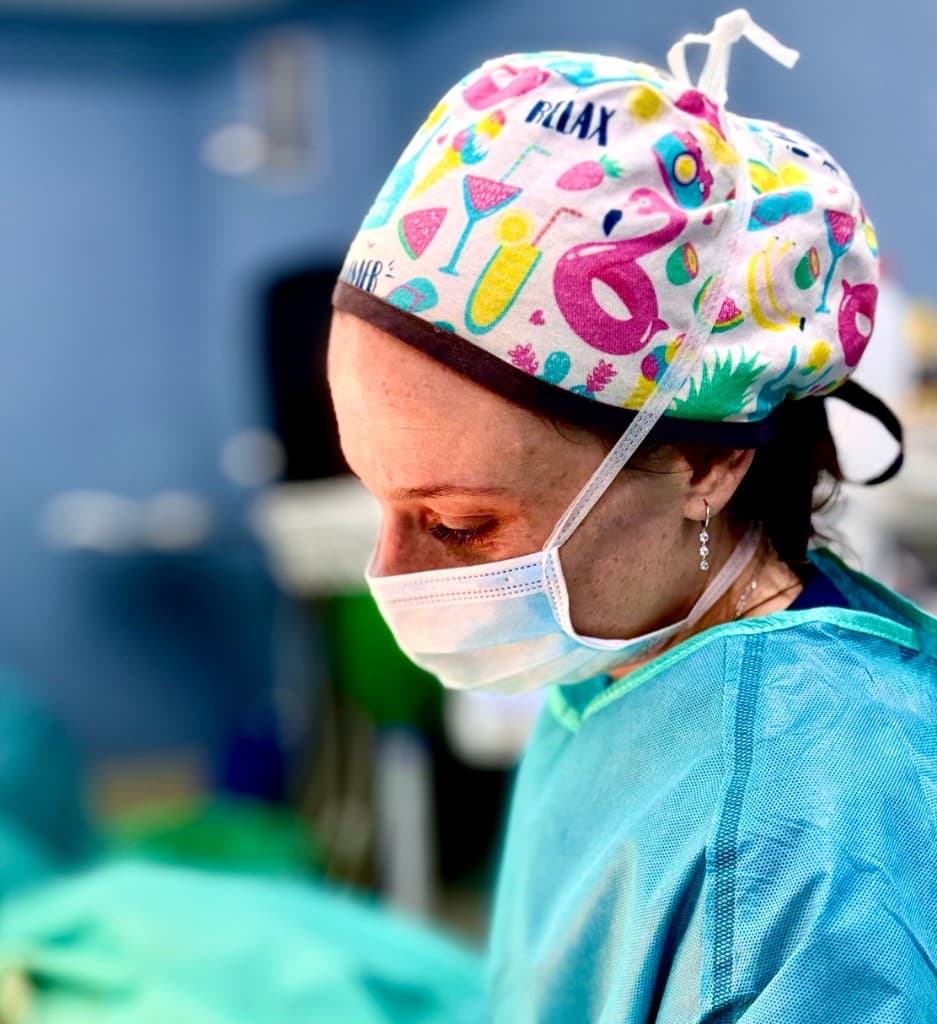
The procedure at the practice
The practice offers cryolipolysis, which cools an area of subcutaneous fat in a controlled way, particularly on the abdomen, flanks, thighs, back or under the chin, depending on the applicators available and the indication. Cryolipolysis is particularly suited to localised fat deposits that the applicator can reach.
The areas treated are decided during your consultation, based on the thickness and location of the subcutaneous fat, your skin quality, your body shape and your expectations. The number of sessions and the spacing between them are decided in the same way, depending on the area treated and the response obtained after the first session.
- Price
- €250 to €400
| Session | Price |
|---|---|
| 1st session | €400 |
| 2nd session | €350 |
| From the 3rd session | €300 |
| Chin | €250 |
Procedure details and recovery
Dr Manon Belhoste performs this treatment at her practice, 1 Boulevard Lord Duveen in Marseille. This is not an operation: there is no admission to a clinic and no anaesthetic consultation.
| Aspect | Detail |
|---|---|
| Anaesthesia | No anaesthesia is needed. |
| Session duration | Around 35 to 60 minutes per area, depending on the applicator used and the area treated. |
| Getting back to normal activities | Normal activities can be resumed straight away. Exercise can generally be resumed the same day or as comfort allows. |
| Sensations during the session | Intense cold, pulling, pressure or pinching may be felt at the start of treatment. The area gradually becomes numb as it cools. |
| Immediate recovery | Redness, swelling, sensitivity, bruising or numbness of the treated area may appear and persist for several days to several weeks. |
| How the effect builds up | Gradual, over several weeks to several months, as the treated fat cells are eliminated by the body. |
| Number of sessions | One or more sessions may be needed, based on the area, fat depth and desired result. Sessions on one area are spaced several weeks apart. |
Frequently asked questions
Cryolipolysis can reduce certain localised fat deposits without surgery, anaesthesia or scarring. It is not a weight-loss method and does not replace a suitable diet or physical activity. The amount of fat reduced varies from person to person and from area to area. The limits: the treatment cannot guarantee a precise reduction, perfect symmetry, complete disappearance of a fat deposit or a final result. Skin quality and overall body shape may also limit the result. In some situations, liposuction or another technique may be more suitable.
Before a cryolipolysis session, Dr Manon Belhoste needs to know your medical history and treatments. Certain conditions linked to an abnormal sensitivity to cold, including some cryoglobulinaemias, cold urticaria or certain cold agglutinin diseases, may make the treatment unsuitable. A hernia located in or right next to the area to be treated must also be checked for. Any infection, inflammation or skin lesion on the area to be treated must be reported. Any sensitivity disorder, particular treatment or medical history must be shared during the consultation. If you are pregnant or breastfeeding, aesthetic treatment is postponed as a precaution.
After a cryolipolysis session, no period of immobilisation is needed. Normal activities can generally be resumed straight away. The treated area may stay red, swollen, sensitive or numb for several days or weeks. Compressing or traumatising the area should be avoided if it remains painful or sensitive. Specific instructions are given according to the area treated and how recovery progresses.
The result of cryolipolysis is gradual. The fat cells destroyed by the cold are gradually eliminated by the body. An initial improvement may appear in the weeks following treatment, but the result is generally assessed after several weeks to a few months. An additional session may sometimes be suggested if the reduction achieved is insufficient.
During the session, a feeling of intense cold, pinching, pulling or pressure may be felt when the applicator is put in place. The area then gradually becomes numb as it cools. After the session, sensitivity, tugging, tingling or numbness may persist for several days or weeks.
Like any medical treatment, cryolipolysis can cause side effects. The most common are redness, swelling, sensitivity, bruising, tingling or a temporary reduction in sensitivity. Less often, prolonged pain or a lasting change in sensitivity may occur. A rare complication called paradoxical adipose hyperplasia may exceptionally appear: the treated area then increases in volume instead of decreasing. This complication requires a medical assessment and may lead to surgical treatment being proposed.
No. Cryolipolysis is intended to reduce localised fat deposits, not to cause overall weight loss. The number on the scales may stay the same despite a reduction in the volume of the treated area. The treatment is therefore mainly suited to people whose weight is relatively stable and who have localised fat accumulation.
The fat cells destroyed by cryolipolysis are eliminated and do not grow back. However, the remaining fat cells can increase in size if you gain weight. The result can therefore be maintained through a stable weight, but cryolipolysis does not protect against new fat gain.
Dr Manon Belhoste
Dr Manon Belhoste is a plastic surgeon, Doctor of Medicine and holder of the European Diploma in Plastic, Reconstructive and Aesthetic Surgery; she is in partnership with Dr Richard Abs, a specialist in buttock surgery.
Dr Manon Belhoste's background
The practice
Dr Manon Belhoste holds consultations at her practice, 1 Boulevard Lord Duveen, 13008 Marseille, from Monday to Thursday.
Operations take place at the La Phocéanne polyclinic and the Phénicia clinic, in Marseille.
The practice and the clinicsPage updated on 10 October 2026.