Skin lesion removal, including subcutaneous tissue
Skin lesion removal, including subcutaneous tissue, consists of surgically removing one or more lesions of the skin or of the tissue just beneath it: a known or suspected benign lesion, a lesion that is bothersome, inflamed, traumatic or scar-related, or a lesion whose nature needs to be clarified by analysis. Dr Manon Belhoste performs skin lesion removal in Marseille, for €600 to €1,000.
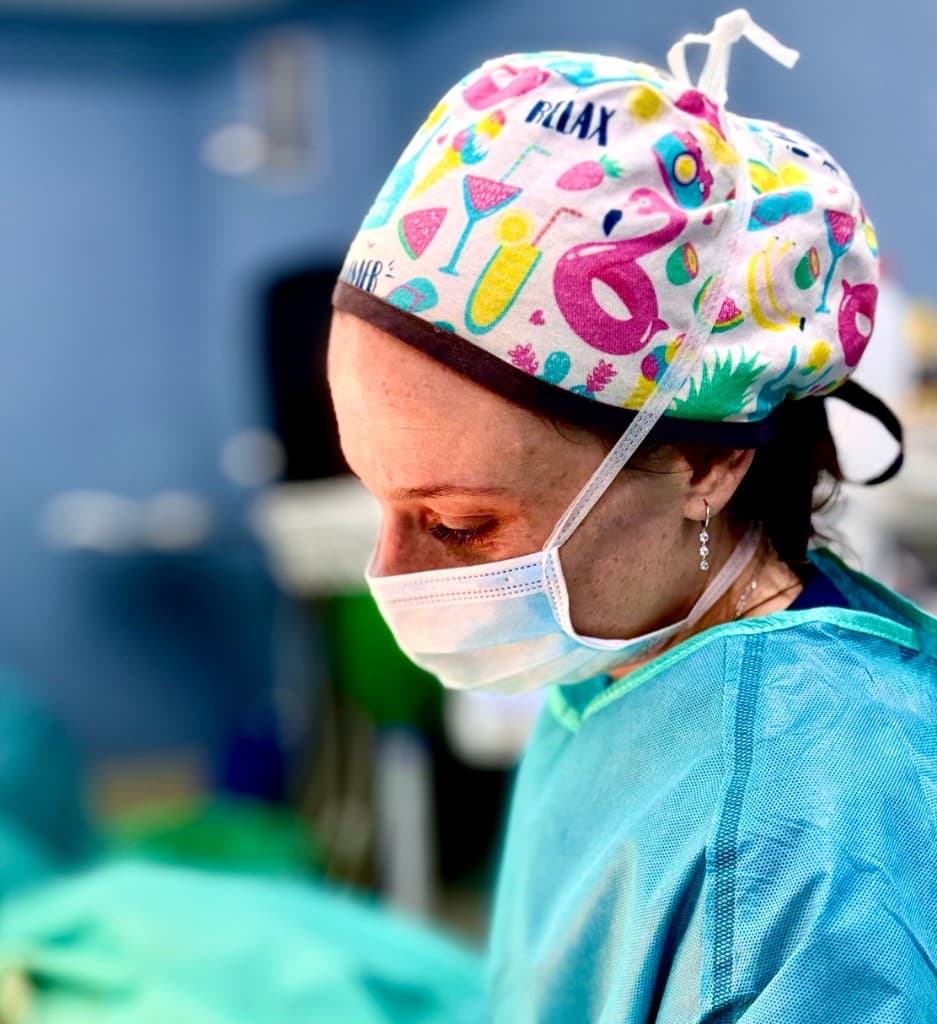
How is the procedure performed?
Dr Manon Belhoste removes the lesion, then closes the area according to the size of the gap left behind. The skin is sewn back directly when tension allows; otherwise, the area is rebuilt with a skin graft taken from elsewhere on the body, or with neighbouring skin moved into place. The piece of tissue removed is sent to the laboratory for analysis.
Excision and direct closure
Removes the lesion and closes the skin directly, in several layers of stitches, when tension allows.
€600 to €1,000
Excision with graft or flap
Removes the lesion, then rebuilds the area with a skin graft taken from elsewhere on the body, or with a flap (a piece of skin moved with its blood supply).
€600 to €1,000
What happens during the procedure and recovery?
Dr Manon Belhoste performs skin lesion removal at the La Phocéanne polyclinic and the Phénicia clinic in Marseille. A consultation with the anaesthetist takes place before the procedure when sedation or general anaesthesia is planned.
| Item | Detail |
|---|---|
| Anaesthesia | Local anaesthesia; local anaesthesia with sedation; anaesthesia of the whole area, without sleep; or general anaesthesia, depending on the number, size, depth and location of the lesions. |
| Duration | The duration depends on the size, depth and number of lesions. |
| Hospital stay | Same-day discharge |
| Return to work and sport | The return depends on the area treated and the extent of the procedure. |
| Result | The scar matures over 12 to 18 months, sometimes longer. |
Frequently asked questions
Skin lesion removal takes the lesion out, allowing its nature to be clarified in the laboratory, as well as the margins of the removal where relevant. Depending on the nature of the lesion, alternatives include no procedure with monitoring, medical or dermatological treatment, another destructive method, a prior sample or another surgical strategy. Not all of them suit every lesion, and some do not allow an equivalent laboratory analysis.
Before skin lesion removal, Dr Manon Belhoste asks to be told about all treatments, medicines, dietary supplements, allergies and medical or surgical history. An anticoagulant, an antiplatelet drug, a medicine containing aspirin or any other treatment that affects clotting is never stopped on your own. Tobacco and all nicotine should be stopped or cut down as much as possible, because nicotine increases the risk of delayed healing.
After skin lesion removal, moderate pain, a feeling of tightness, swelling, bruising and a temporary drop in sensitivity are possible. Dressings are kept in place and changed as Dr Manon Belhoste instructs at discharge. Strenuous exertion and pulling on the scar should be avoided until healing is sufficient. The scar must be strictly protected from the sun while it matures, and a graft or flap comes with additional instructions on protection, positioning and monitoring.
The removed tissue is sent to the laboratory for analysis, which clarifies the nature of the lesion and, where relevant, the margins of the removal. The final diagnosis may differ from the one assumed before the procedure. The result may lead to monitoring, to further removal if wider margins are needed, to a specialist opinion or to another treatment.
The price of skin lesion removal includes Dr Manon Belhoste's fees, consultations after the operation, anaesthesia and clinic fees at the La Phocéanne polyclinic or the Phénicia clinic.
Dr Manon Belhoste
Dr Manon Belhoste is a plastic surgeon, Doctor of Medicine and holder of the European Diploma in Plastic, Reconstructive and Aesthetic Surgery; she is in partnership with Dr Richard Abs, a specialist in buttock surgery.
Dr Manon Belhoste's background
The practice
Dr Manon Belhoste holds consultations at her practice, 1 Boulevard Lord Duveen, 13008 Marseille, from Monday to Thursday.
Operations take place at the La Phocéanne polyclinic and the Phénicia clinic, in Marseille.
The practice and the clinicsPage updated on 10 October 2026.