Chemical peels
Chemical peels improve skin quality by speeding up its renewal in a controlled way. They can act on uneven skin tone, pigmentation spots, acne, pores, superficial scars and some signs of skin ageing. Peels come in different formulations and depths of action, so that treatment can be adapted to each skin type and each indication. Dr Manon Belhoste performs these peels in Marseille, from €80 to €400.
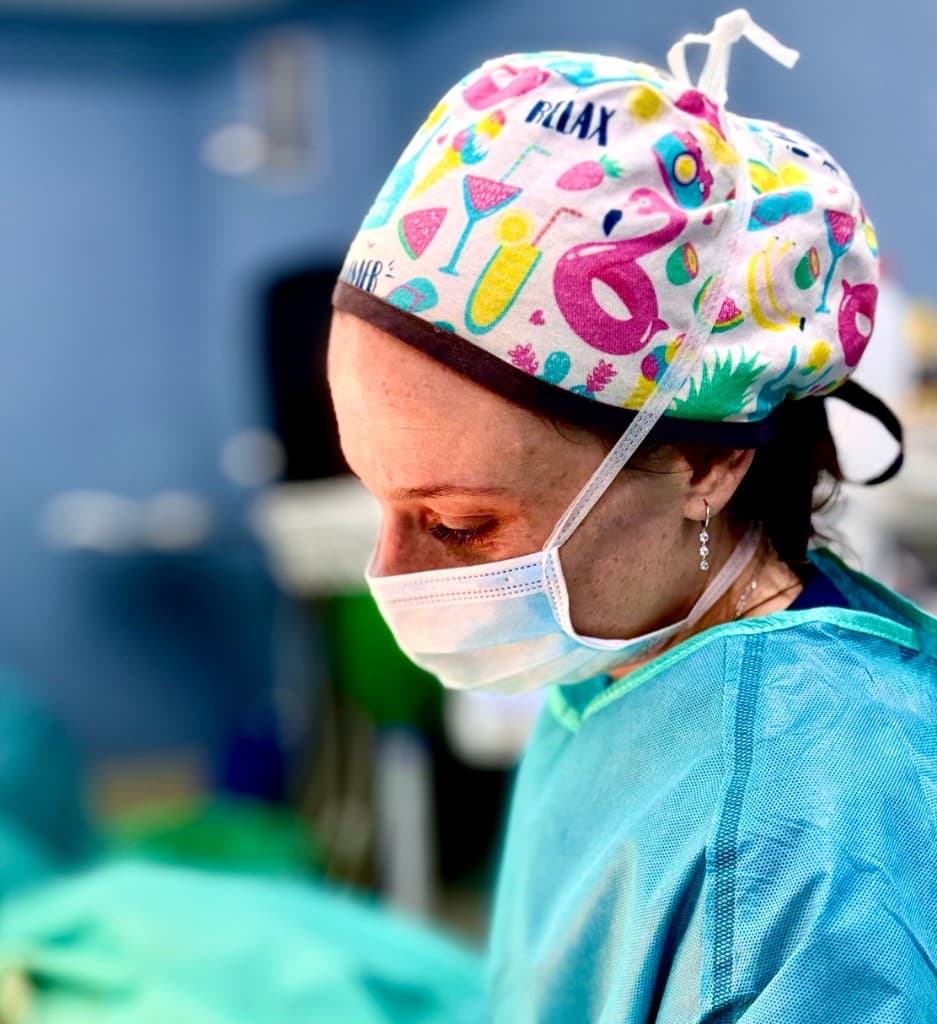
The procedure at the practice
Dr Manon Belhoste offers various chemical peels, which accelerate skin renewal in a controlled way. The choice of product and its strength is made after the skin has been examined, based on skin phototype, skin sensitivity and the intended goal. The price is given per session.
- Price
- €80 to €400
| Peel | Price |
|---|---|
| Superficial peels | €80 to €130 |
| Medium peels | €170 to €200 |
| Deep peels | €400 for 1 peel and 4 LED sessions |
| Depigmenting peel | €300 |
| Acne peel | 2 peels needed, spaced 20 days apart, €100 per session |
Procedure details and recovery
Dr Manon Belhoste performs these peels at her practice, 1 Boulevard Lord Duveen in Marseille. These are treatments carried out in the practice, without general anaesthesia or an anaesthetic consultation. The product is applied to skin that has been cleaned and prepared beforehand. The contact duration and number of layers depend on the peel used and the intended goal.
| Aspect | Detail |
|---|---|
| Anaesthesia | No anaesthesia is generally needed. |
| Session duration | Around 20 to 45 minutes, depending on the peel and the protocol. |
| Getting back to normal activities | Immediate or quick for superficial peels. A period of flaking may be needed after certain more intense peels. |
| Sensations during the session | Tingling, warmth or mild, short-lived burning. The intensity varies according to the product and the skin's sensitivity. |
| Immediate recovery | Redness, a feeling of warmth and tightness are possible. Flaking may appear in the days that follow, particularly after certain TCA peels. |
| How the effect builds up | Radiance and texture can improve quickly. Effects on pigmentation, acne and skin ageing are more gradual, and may need several sessions. |
| Number of sessions | Varies by indication. One session may be enough in some cases, but a course of several sessions is often suggested to optimise the result. |
Frequently asked questions
Peels speed up skin renewal and gradually improve its appearance. They can work on radiance, texture, uneven skin tone, certain pigmentation spots, acne and some signs of skin ageing. The result depends in particular on the peel used, the indication and the initial quality of the skin.
Certain Mesoestetic and Dermaceutic peels are specifically formulated to work on pigmentation disorders. The choice depends on the origin of the spots, how deep they are and skin phototype. Strict sun protection is essential before and after treatment to limit the risk of recurrence or post-inflammatory pigmentation.
Certain peels containing salicylic acid in particular may be suggested for oily and acne-prone skin. They can help reduce blemishes and improve skin texture. Treatment must be adapted to the type and severity of the acne.
Peels can cause tingling, warmth or burning for a few minutes. The intensity depends on the product used, its strength and individual sensitivity. Sensations generally fade quickly once the product is removed.
Whether the skin peels depends on the peel used. Some superficial peels cause little or no visible flaking. Others, including certain TCA peels, may cause more significant flaking in the days that follow. It is important not to pull off small pieces of skin and to let the flaking happen naturally.
Sun protection of SPF 50+ should be applied every day. Sun exposure and strong heat sources should be avoided during the recovery period. Irritating or exfoliating products should be stopped temporarily, as recommended after treatment. The skin should be kept hydrated and protected until it has fully recovered.
Peels can sometimes be done year-round, but periods of strong sun exposure are less favourable, particularly for peels aimed at pigmentation spots. Whether treatment is possible depends on the type of peel, skin phototype and the sun exposure expected.
Some peels are suitable for different skin phototypes, but the choice of product, its strength and the protocol must be particularly well adapted to limit the risk of post-inflammatory hyperpigmentation. Skin preparation and strict measures to protect from the sun may be recommended, depending on the indication.
Yes. Some peels can be included in a combined treatment plan with other aesthetic medicine treatments. The combination and order of treatments depend on the skin and must allow an appropriate recovery period.
A peel may be contraindicated in case of an active infection or inflammation of the area to be treated, certain skin lesions, a treatment or situation that increases the risk of complications, or when the skin is too irritated or weakened. Pregnancy and breastfeeding also require a specific assessment, and certain peels are not recommended in these situations. A medical examination is carried out before treatment to check its suitability and any possible contraindications.
Dr Manon Belhoste
Dr Manon Belhoste is a plastic surgeon, Doctor of Medicine and holder of the European Diploma in Plastic, Reconstructive and Aesthetic Surgery; she is in partnership with Dr Richard Abs, a specialist in buttock surgery.
Dr Manon Belhoste's background
The practice
Dr Manon Belhoste holds consultations at her practice, 1 Boulevard Lord Duveen, 13008 Marseille, from Monday to Thursday.
Operations take place at the La Phocéanne polyclinic and the Phénicia clinic, in Marseille.
The practice and the clinicsPage updated on 10 October 2026.